

Understanding the psychology behind player behavior in casinos
The Allure of Gambling
The psychological allure of gambling lies in the thrill of chance. Many players are drawn to the idea of winning big, and the excitement of taking risks can be intoxicating. This thrill often activates the brain’s reward system, releasing dopamine, which enhances feelings of pleasure and excitement. As a result, players may experience a heightened sense of euphoria while playing, driving them to continue seeking that rush. When considering the latest options, engaging with brand new casinos can add to the thrill of the experience.

Moreover, the atmosphere within casinos is carefully designed to keep players engaged. The vibrant lights, captivating sounds, and the social environment create an immersive experience. This sensory stimulation can lead to what is known as “temporal distortion,” where players lose track of time while enjoying their gaming experience, often leading to prolonged sessions that can escalate spending.
The Role of Cognitive Biases
Cognitive biases significantly impact how players perceive their chances of winning. One common bias is the “gambler’s fallacy,” where individuals mistakenly believe that past outcomes influence future results. For instance, if a player experiences a series of losses, they may think they are “due” for a win, which can lead to increased betting and further losses.
Another prevalent bias is “loss aversion,” where the pain of losing is psychologically more impactful than the pleasure of winning. This can cause players to chase losses, trying to recover their funds through continued play, often resulting in deeper financial issues. Understanding these cognitive biases is crucial for players to make informed decisions and avoid falling into these psychological traps.
The Influence of Social Factors
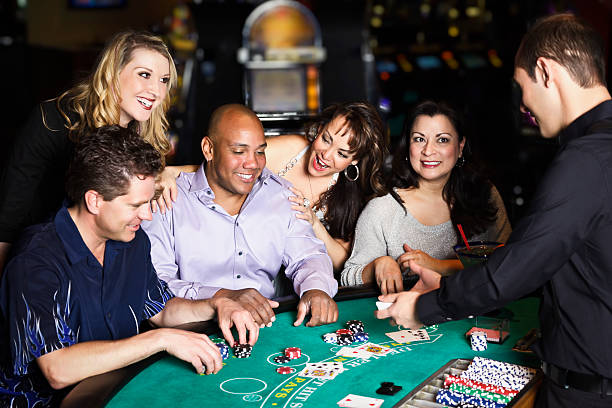
Social dynamics play a significant role in casino behavior. Many players enjoy the communal aspect of gambling, finding it more enjoyable when shared with friends or fellow gamblers. This social interaction can create a sense of belonging, which enhances the overall gaming experience. Additionally, social validation can lead individuals to take risks they might not consider alone.
Peer pressure and competition can also affect player behavior. Seeing others win can create a desire to keep playing, even when a player is not in a favorable position. This dynamic can lead to impulsive decisions, driven more by the social environment than by rational thought, further complicating the player’s relationship with gambling.
Emotional Triggers and Impulse Control
Emotions significantly impact gambling behavior, often leading players to make irrational decisions. Stress, anxiety, or even excitement can influence how much someone is willing to bet and for how long. When players are emotionally charged, they are more likely to gamble impulsively, disregarding their established limits.
Moreover, casinos are aware of these emotional triggers and create environments that can amplify them. For instance, the availability of alcohol can lower inhibitions, leading to increased spending. Understanding the emotional aspects of gambling can empower players to set boundaries and maintain control over their gaming experiences.
Your Guide to Informed Gaming
At our platform, we strive to provide players with valuable insights into the complexities of casino gaming. By exploring the psychological aspects of player behavior, we empower individuals to make informed decisions. Our expert reviews of online casinos offer essential information regarding safety, game selections, and bonus offers.
We believe in fostering a responsible gaming environment, equipping players with knowledge that can enhance their gaming adventures while ensuring they enjoy their experiences safely. Join us to discover the best opportunities tailored for your gaming needs, grounded in understanding the psychology behind your choices.